Service training binder · Part 5 · scan pages 41-52
Workshop Slides — Recording Theory
TAPE FLUX LEVEL↑ TOP
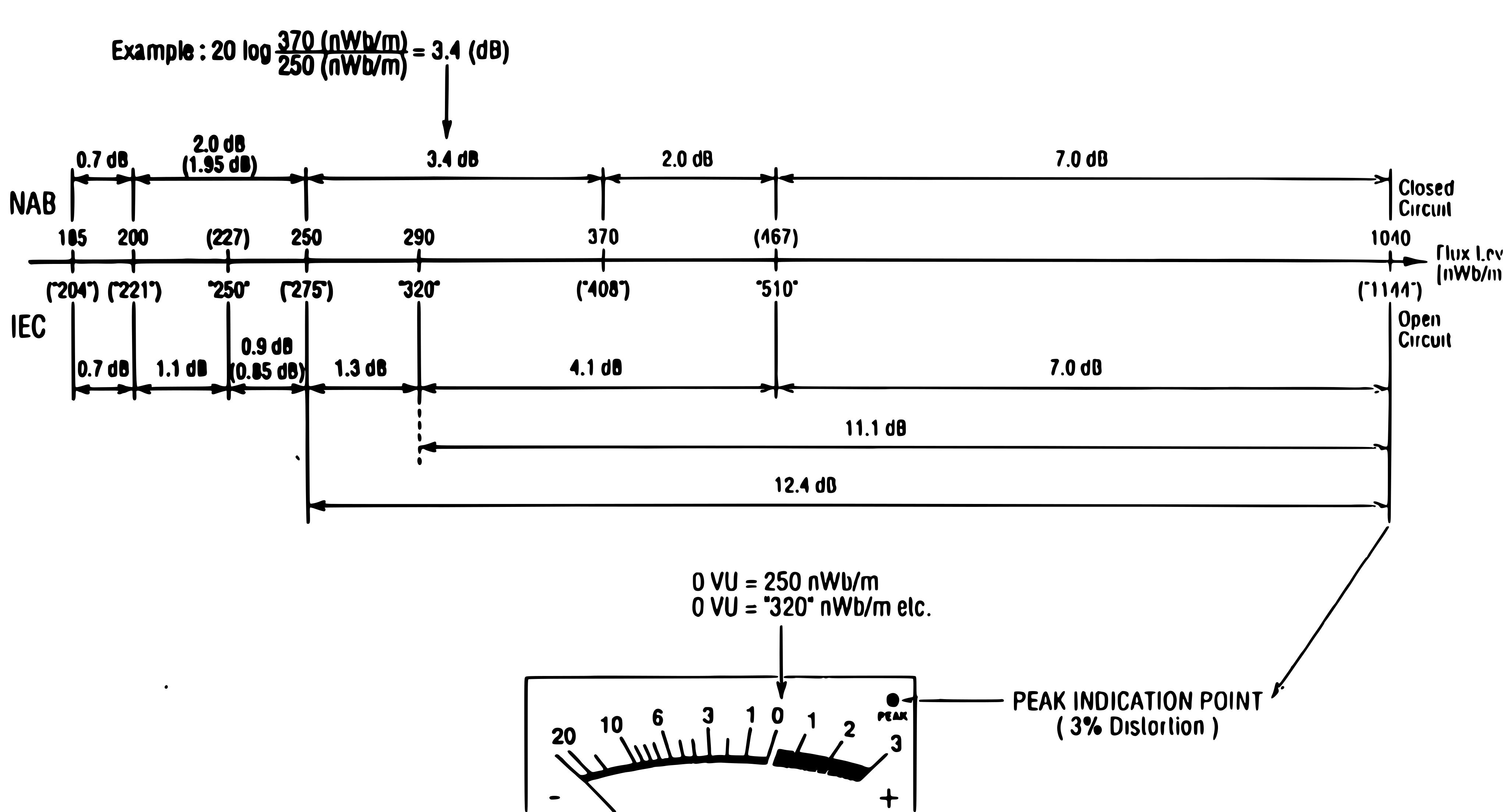 ⤢ zoomNAB and IEC tape flux levels in nWb/m, with dB steps between them and the VU-meter peak indication point
Ideal Operational Amplifier↑ TOP
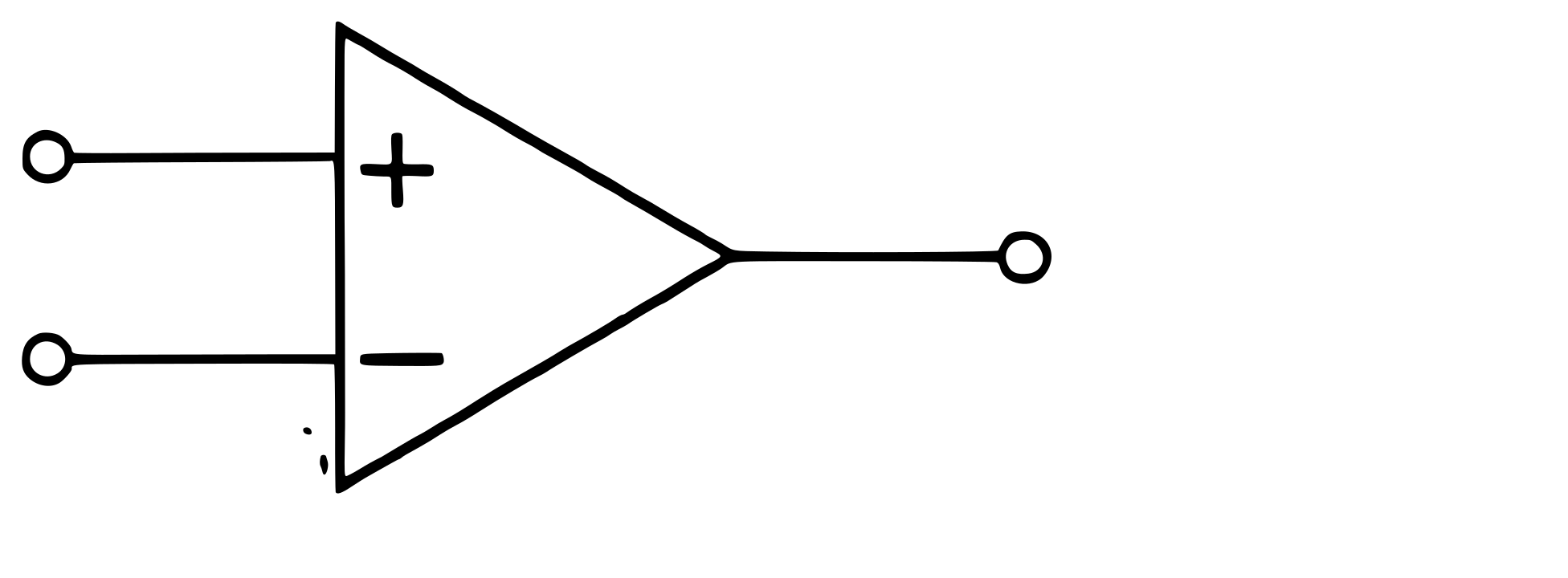 ⤢ zoomOp-amp symbol
- Open Loop Gain : ∞ (Infinit)
- Imput Impedance : ∞ (Infinit)
- Output Impedance : 0 (Zero)
- Band Width : ∞ (Infinit)
- Noise : 0 (Zero)
- Slewing Rate : ∞ (Infinit)
Active Balanced Line Input↑ TOP
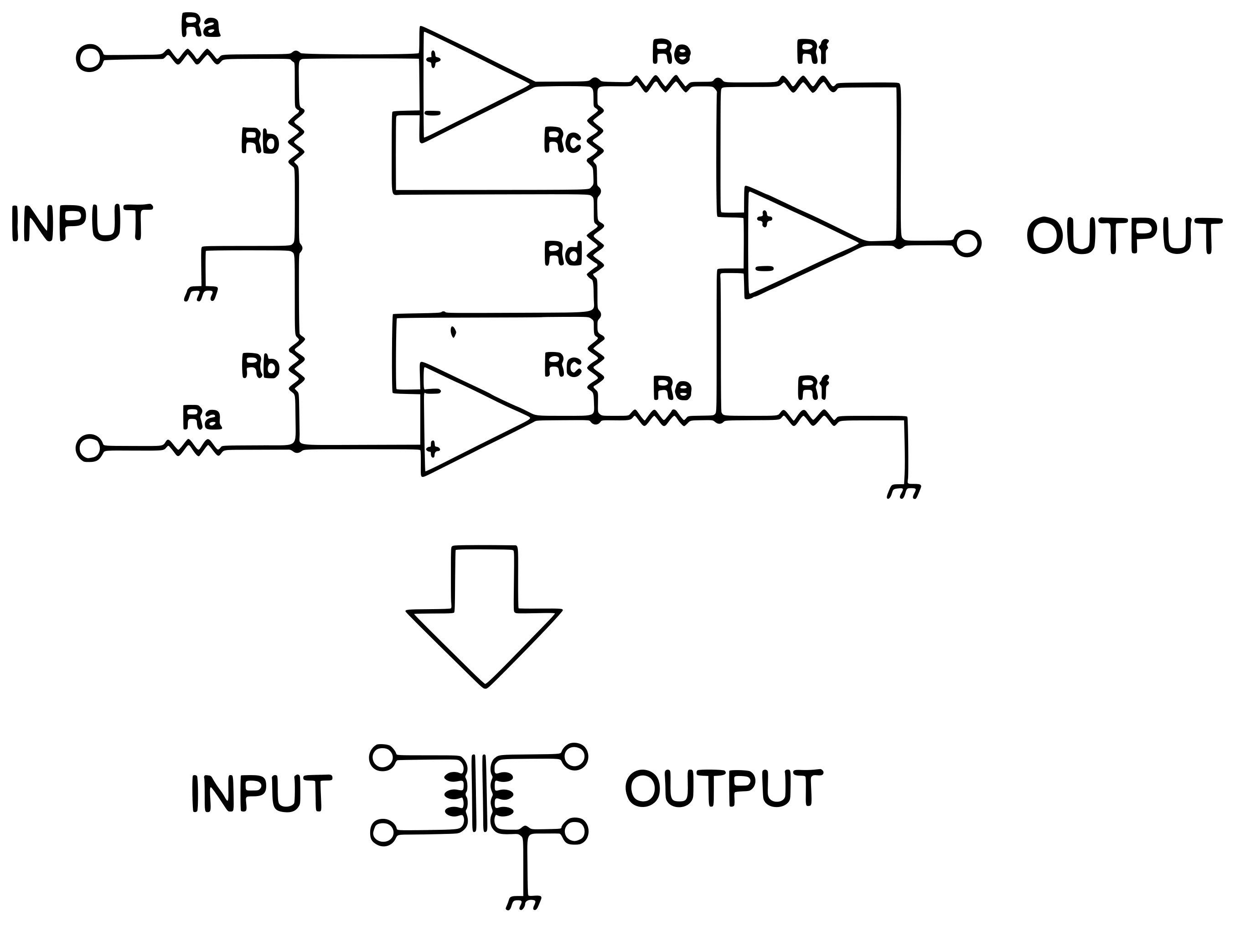 ⤢ zoomActive balanced line input circuit with three op-amps, and its balanced transformer equivalent
Active Balanced Output↑ TOP
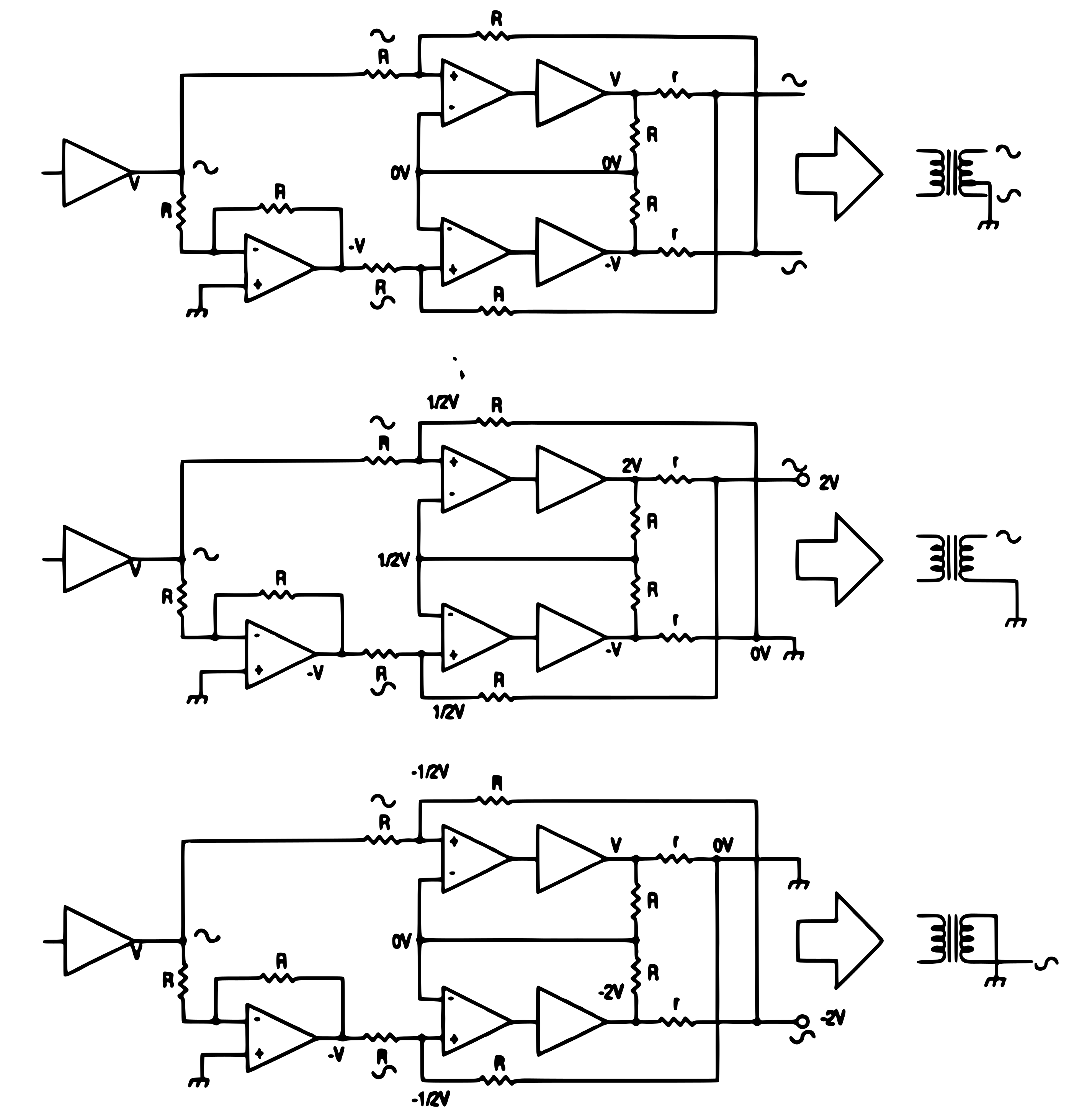 ⤢ zoomThree active balanced output drive conditions and their transformer equivalents
Advantages
- Harmonic distortion
- Phase modulation distortion
- Radiated stray-field
- Common mode rejection ratio
- Frequency responce
Phase Shifter↑ TOP
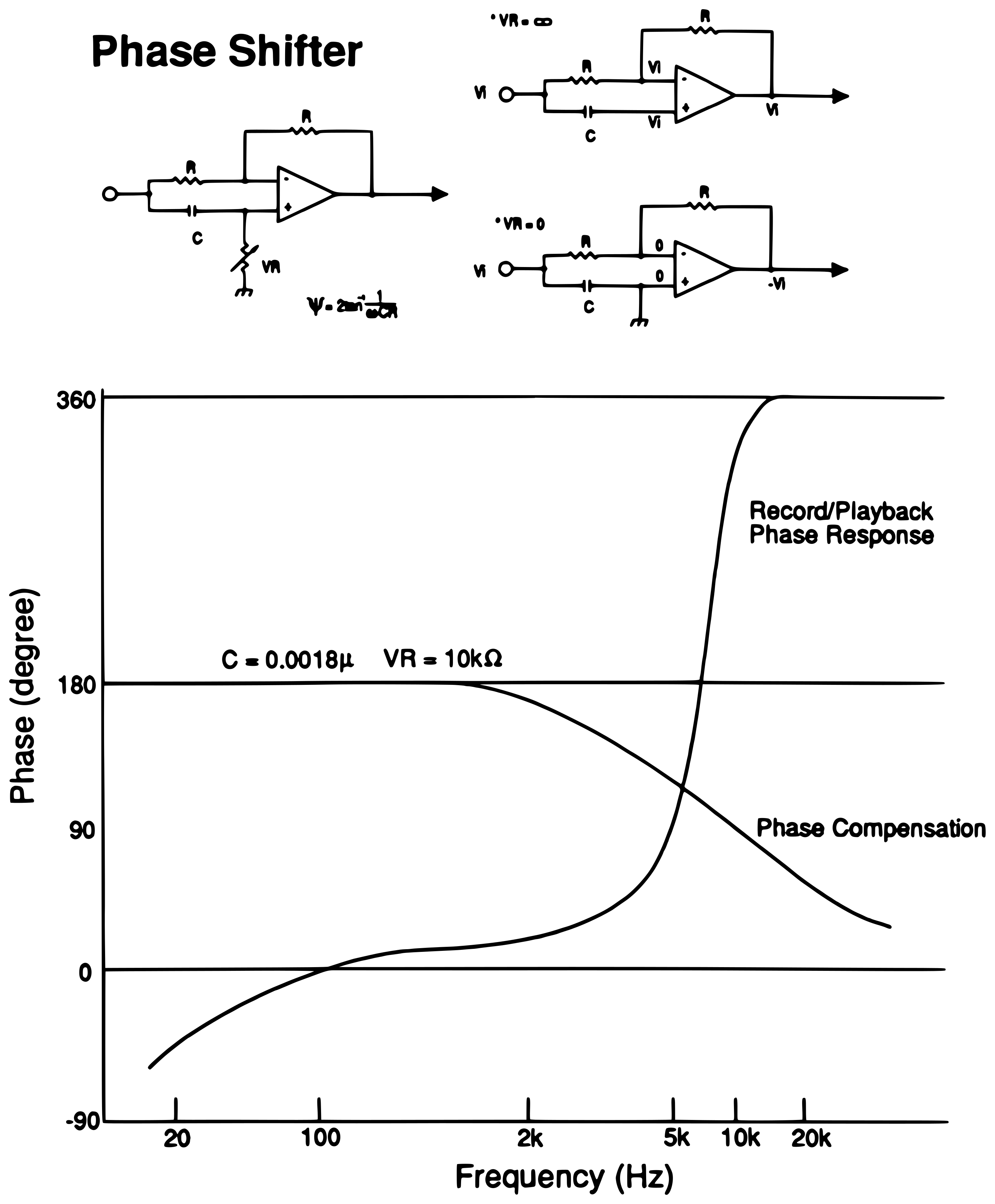 ⤢ zoomPhase shifter op-amp circuits with the phase formula, and record/playback phase response versus phase compensation
Standard Reproduce Time Constants↑ TOP
| Tape Speed (ips, cm/s) | Time Constant (µs) | Standard |
|---|---|---|
| 30 ips (76 cm/s) | 17.5 | AES, IEC 2 |
| 30 (76) | 35 | IEC 1 |
| 15 (38) | 35 | IEC 1, CCIR, DIN |
| 15 (38) | 50+3180 | IEC 2, NAB |
| 7.5 (19) | 70 | IEC 1, CCIR, DIN studio |
| 7.5 (19) | 50+3180 | IEC 2, NAB, DIN home |
| 7.5 (19) | 50 | NAB cartridge |
| 3.75 (9.5) | 90+3180 | IEC, NAB, DIN |
| 1.875 (4.75) | 90+3180 | IEC, NAB, DIN |
| 1.875 (4.75) | 120+3180 | Cassette (ferric oxide) |
| 1.875 (4.75) | 70+3180 | Cassette (chrome & metal) |
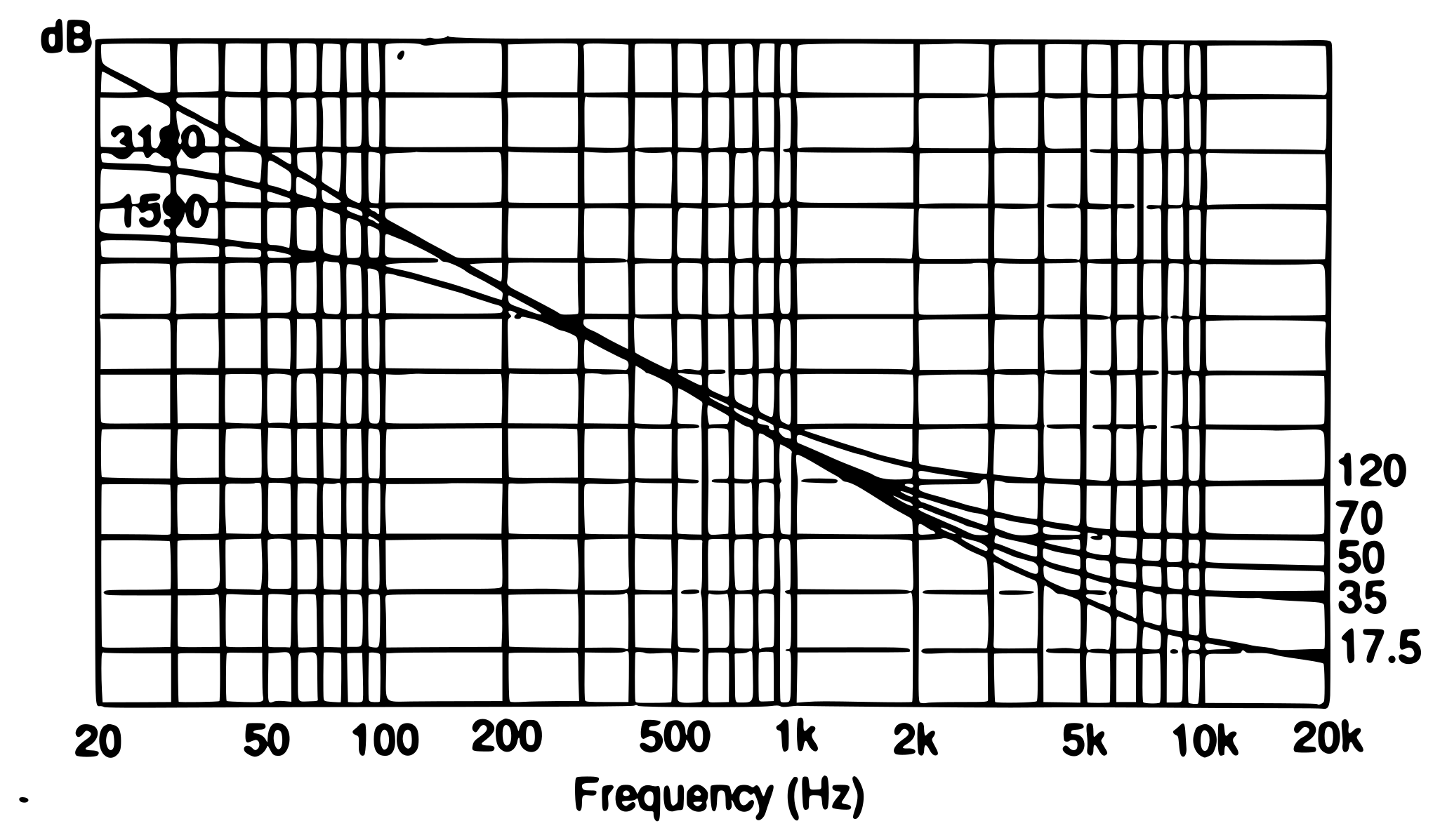 ⤢ zoomPlayback equalization curves for the standard time constants
Influence of Record Bias Depth↑ TOP
- Distortion
- Frequency Responce
- Dynamic Range (Linearity)
- Signal to Noise Ratio
↓ Sound Quality
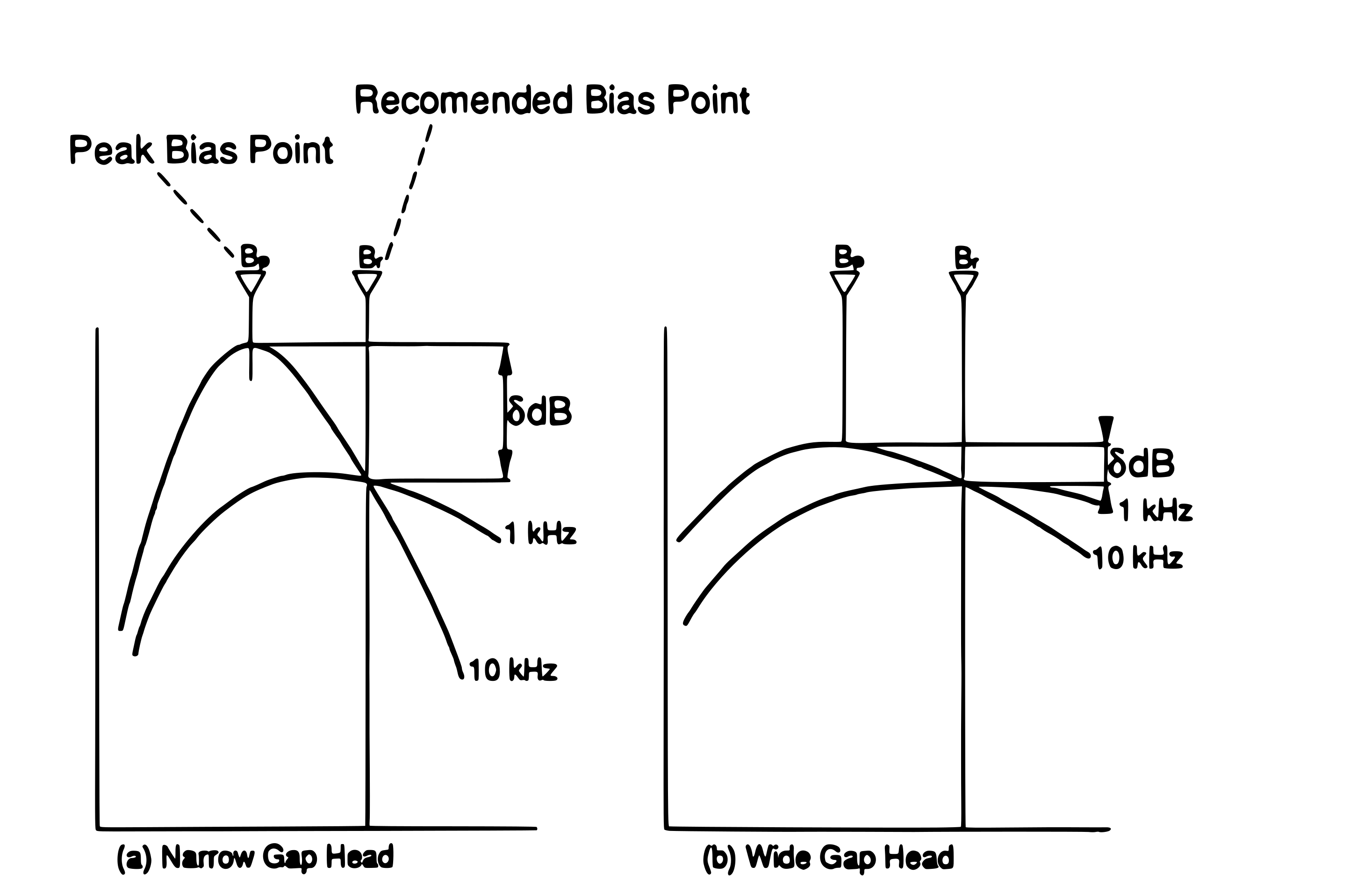 ⤢ zoomBias curves at 1 kHz and 10 kHz for narrow and wide gap heads, with peak and recommended bias points
Gap Width VS Bias Characteristic
Electrical Performance Characteristics↑ TOP
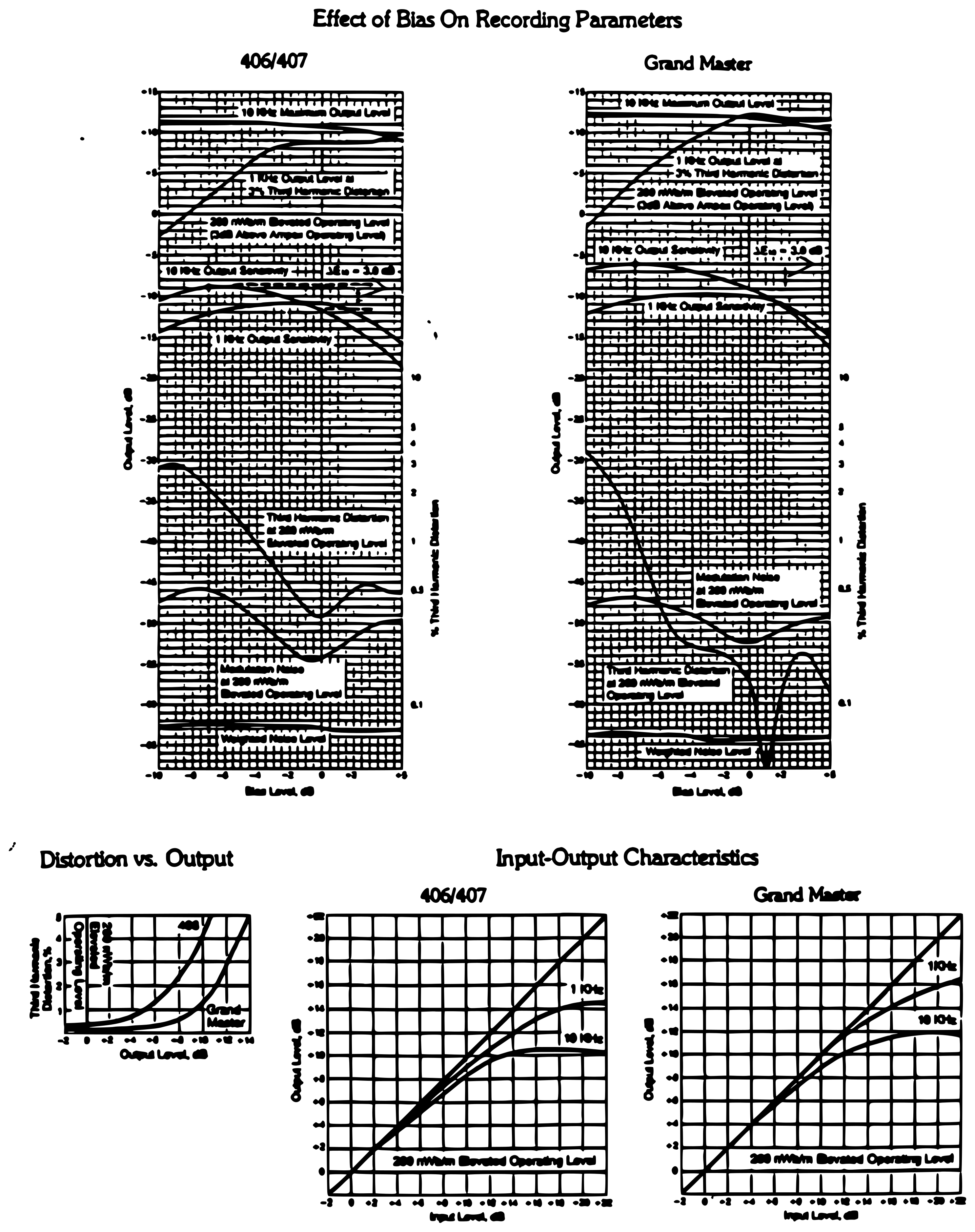 ⤢ zoomAmpex 406/407 and Grand Master tape data — effect of bias on recording parameters, distortion vs. output, and input-output characteristics
Gapless/Seamless Recording↑ TOP
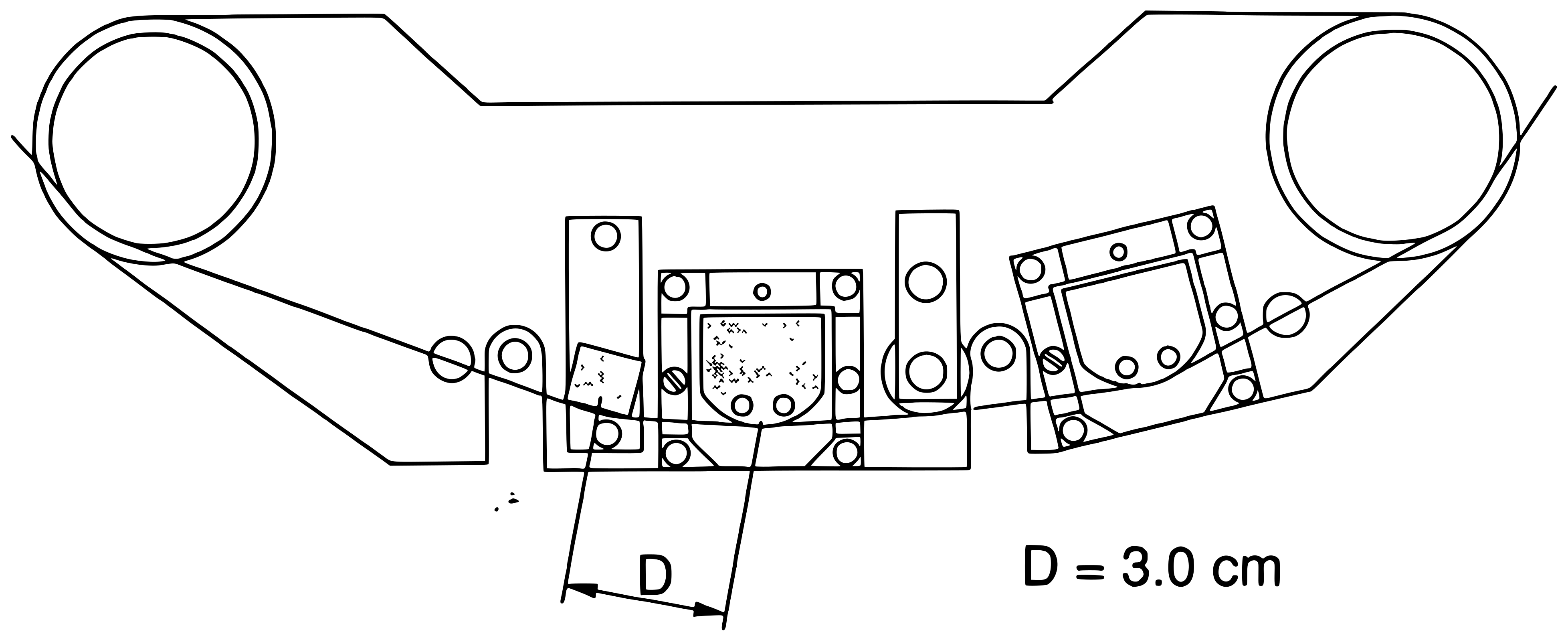 ⤢ zoomHead block layout showing the distance D between erase and record heads on the tape path
δT = D (cm) / Tape Speed (cm/s)
D = 3.0 cm
| Tape Speed | δT |
|---|---|
| 30 ips (76.2 cm) | 39 ms |
| 15 ips (38.1 cm/s) | 79 ms |
| 7.5 ips (19.05 cm/s) | 157 ms |
Erase & Record Bias Timing Chart↑ TOP
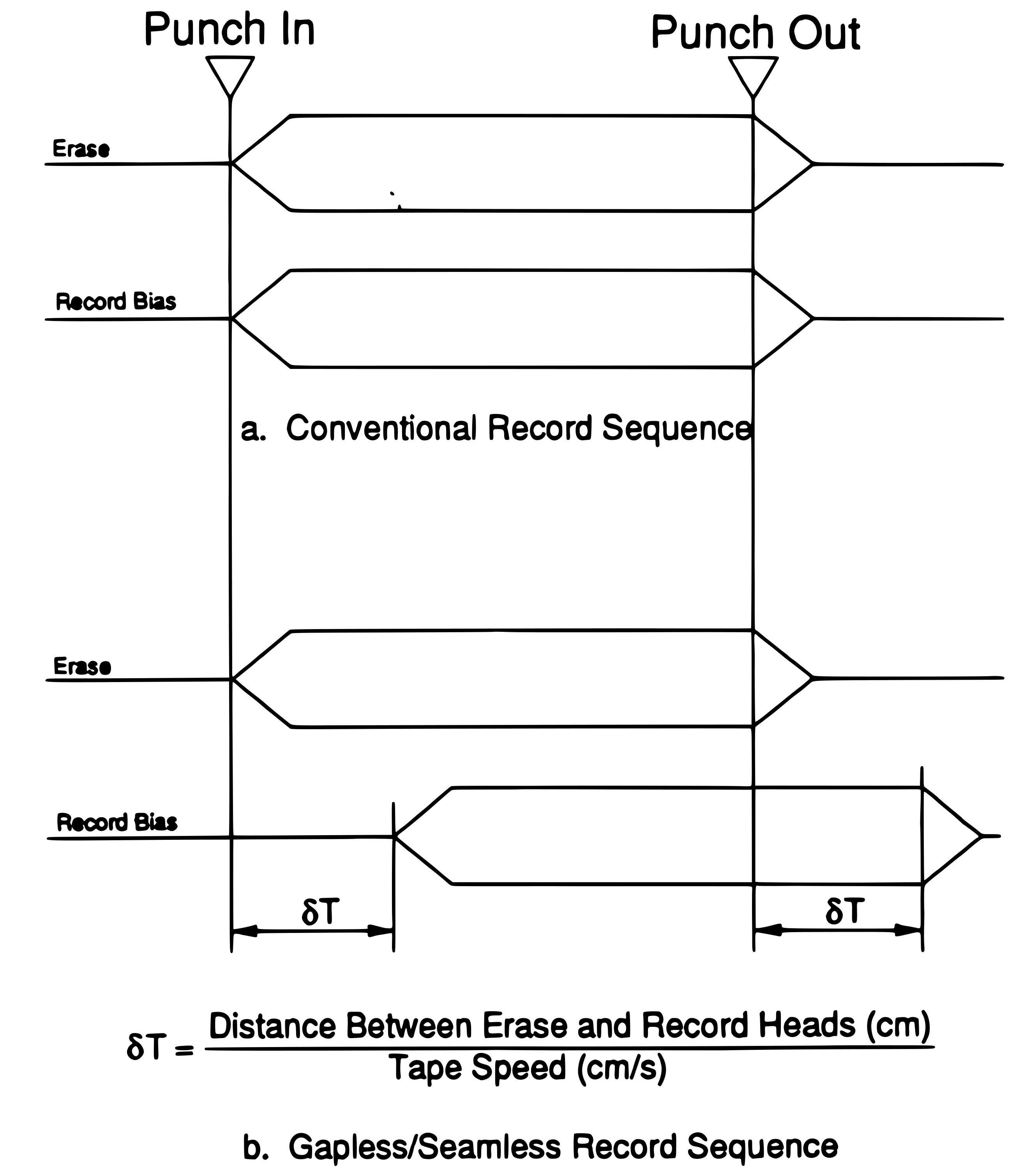 ⤢ zoomErase and record bias timing at punch in and punch out for the conventional and gapless/seamless record sequences
RECORDED SIGNAL PATTERN ON THE TAPE (I) (CONVENTIONAL RECORD SEQUENCE)↑ TOP
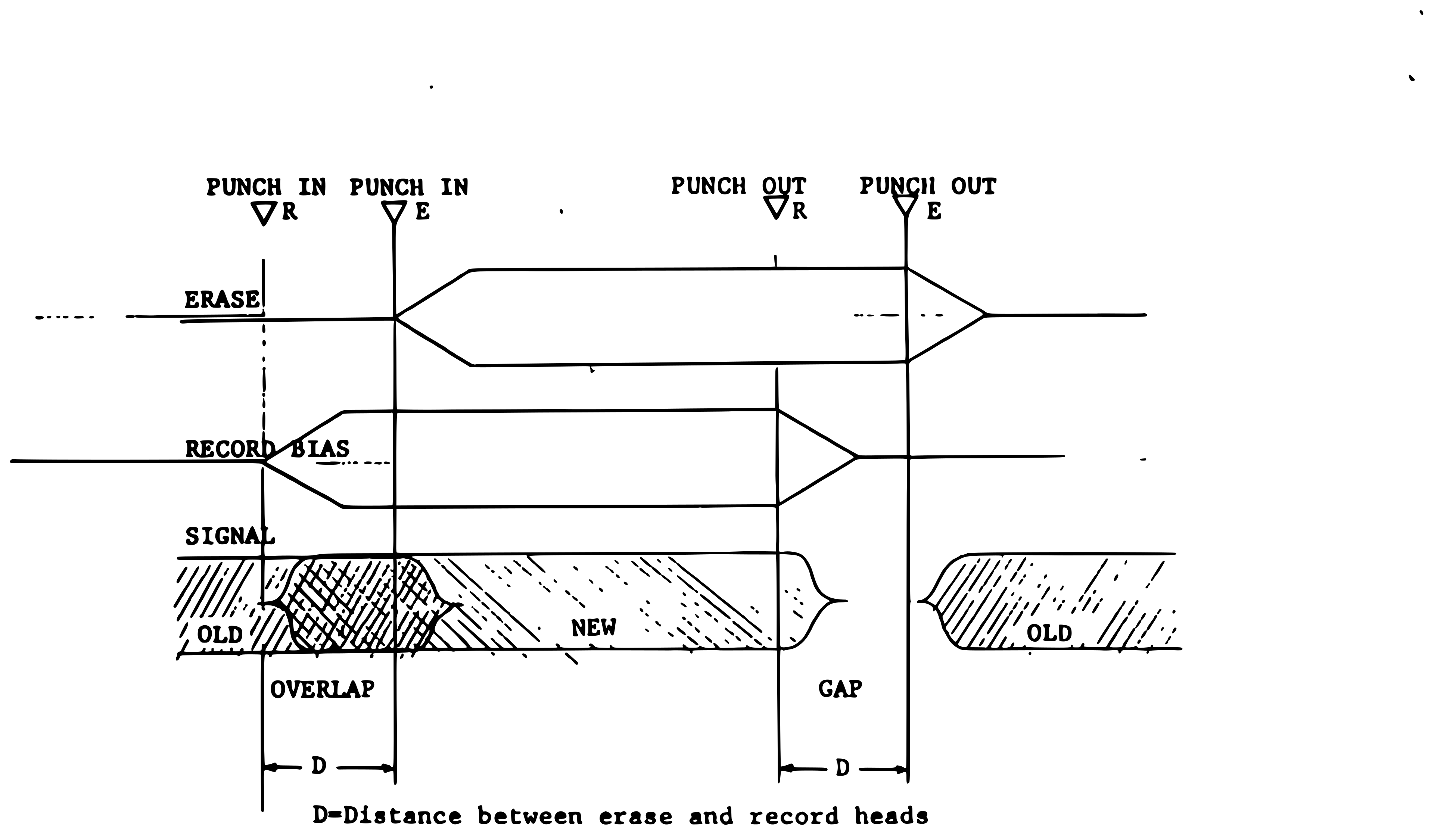 ⤢ zoomErase, record bias, and recorded signal on the tape for the conventional record sequence, with overlap and gap regions
RECORDED SIGNAL PATTERN ON THE TAPE (II) (GAPLESS/SEAMLESS RECORD SEQUENCE)↑ TOP
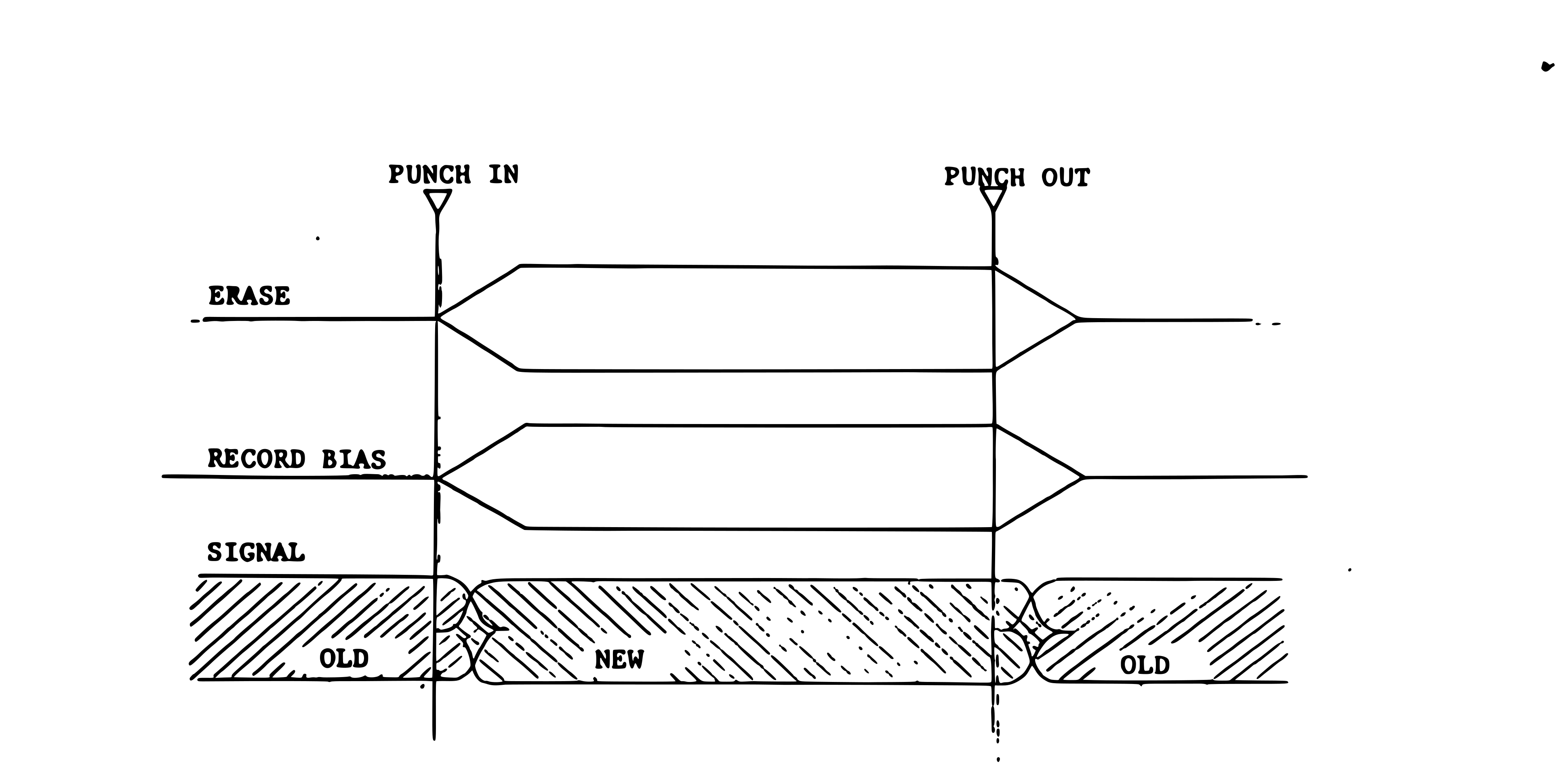 ⤢ zoomErase, record bias, and recorded signal on the tape for the gapless/seamless record sequence, with old and new recordings meeting cleanly